Dec 17, 2025
What I Capture Today, Others Capture Tomorrow
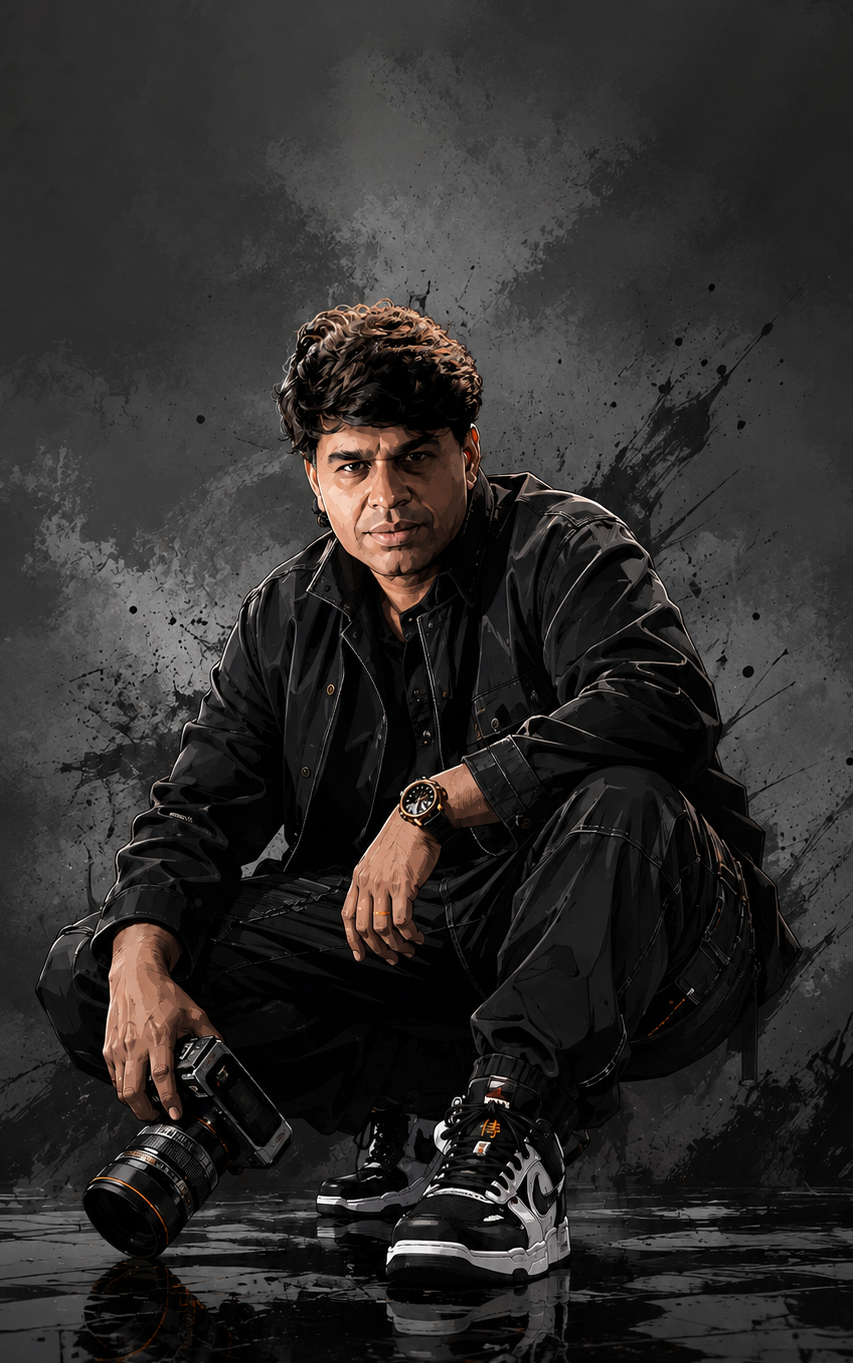

Photography is not about being first to press the shutter.
It is about being first to see.
In an age where thousands of images are uploaded every second, originality is no longer about equipment, locations, or lighting tricks. It is about vision that arrives before time accepts it. When a photograph feels unfamiliar today but becomes common tomorrow, that is when you know you were ahead of the curve.
That is the space where creative legacy is born.
Creativity Is Not Just “Out of the Box” — It Is Ahead of Time
Many photographers are advised to “think out of the box.” But real creative photography goes one step further. It is not just about doing something different; it is about doing it before it becomes obvious.
Sometimes, the most powerful images are not dramatic at first glance. They grow slowly. They settle into the viewer’s mind. And one day, people begin to replicate them — consciously or unconsciously.
That is when your work stops being inspiration and starts becoming reference material.
When a Style Becomes a Landmark
A photograph reaches its highest value when it carries the photographer’s identity within it.
The true test of a strong photographic style is not applause — it is recognition. When another photographer attempts something similar and the audience immediately says:
“This looks like that photographer’s style.”
That moment is priceless.
Techniques can be copied. Angles can be replicated. But vision, timing, and intent cannot be borrowed easily. When your work forces recognition even through imitation, your name quietly enters photographic history.
My Personal Experience: Why I Don’t Shoot Until I’m Convinced
Through my journey in commercial, industrial, and architectural photography, one principle has guided me consistently:
I do not shoot unless I am fully convinced by my own previsualisation.
I believe a photographer must first convince himself before convincing the client or the audience.
Previsualisation is not guesswork. It is a mental rehearsal built from experience, observation, and understanding of the subject. If the frame is not clear in my mind, pressing the shutter repeatedly does not solve the problem. It only creates noise.
Continuous shooting without conviction does not make you creative — it turns you into a photocopier.
Why Timing Matters More Than Speed
Some photographs are not difficult because of technical challenges, but because of timing. Knowing when not to shoot is as important as knowing when to shoot.
Many photographers miss their defining moment because they are busy capturing everything else. In contrast, photographers who wait — who observe patiently — often capture something that becomes timeless.
When timing aligns with vision, the image transcends trends.
Why Most Photographers Follow, Not Lead
Trends are comfortable. Vision is lonely.
Leading creatively often means working in silence, without validation. It means trusting your instincts when no one else sees the value yet. But history proves one thing repeatedly:
Original work is always understood late.
And that delay is the price of originality.
Conclusion: Reaching the Stage Where Others Follow
Reaching a stage where what you capture today, others capture tomorrow does not happen overnight. It comes from:
- Deep previsualisation
- Restraint in shooting
- Confidence in waiting
- And the courage to reject average frames
Photography is not about how many images you produce.
It is about how many images remain relevant.
When your photographs quietly influence others — without announcement — that is when your work becomes legacy.
The above-posted photograph Mehrauli archaeological park New Delhi, captured by Prasenjeet Gautam, courtesy of Google. For more information and to explore our latest projects
Please visit our website at www.prasenjeetgautam.com. Originally published on Prasenjeet Gautam Photography
Happy Photography Life