Mar 05, 2026
Your Camera Knows More Than You Think

Know Your Camera Before You Shoot
Every beginner photographer starts with the same three pillars of photography — aperture, shutter speed, and ISO. These three elements together form what we call the exposure triangle, and they are the foundation of learning photography.
Most beginners spend months or even years trying to master these basics. They experiment with light, shadows, depth of field, motion blur, and exposure control. This exploration is exciting because photography is a giant creative world, and every small adjustment can produce a completely different visual result.
But here is something very important that many photographers overlook.
The exposure triangle is only the basic tool of photography. It is not the complete learning process.
The Next Level: Understanding Your Camera
In my 15 years of photography experience, I have learned one important lesson:
Once you are comfortable with the basics, the next step is to know your camera inside out.
Many photographers buy a DSLR or mirrorless camera but use only 20–30% of its capabilities. Modern cameras are extremely advanced machines designed to handle different shooting environments, lighting conditions, and creative needs.
Your camera body contains dozens of buttons, dials, and menu features. Every button has a specific purpose, and every feature exists because at some point a photographer might need it.
Some examples include:
- High ISO capability for low-light environments
- Bulb mode for long exposure photography
- Time mode for controlled exposure duration
- Focus modes and focus points
- Metering modes
- Drive modes for continuous shooting
You may not use these features every day. But photography is unpredictable. You never know which location, weather condition, or shooting situation will suddenly require a feature you never used before.
Knowing your camera ensures that you are ready for any situation.
Learn Every Button on Your Camera Body
Look carefully at your camera body. You will notice many things:
- Control buttons
- Scroll wheels
- Quick setting dials
- Custom function buttons
- Display panels
- Mode selection switches
These controls are not random. They are carefully designed to help photographers adjust settings quickly without entering the menu system.
Professional photographers rely heavily on these physical controls because speed matters during a shoot. A moment can disappear within seconds, and if you are searching through menus, you may miss the shot completely.
Understanding every button and control on your camera helps you work faster, smarter, and more confidently.
The Simplest Way to Learn Your Camera
There is one very simple method that many photographers ignore.
Read the camera manual.
Yes, it sounds basic, but it is extremely powerful.
Most photographers spend hours watching tutorials on YouTube but never open the manual that comes with their camera.
The manual explains:
- Every button on the camera body
- Every menu function
- Advanced shooting modes
- Hidden features
- Technical capabilities of the camera
Read the manual once, twice, even three times. Each time you read it, you will understand something new.
Then practice what you learn.
The process is simple:
Read → Practice → Experiment → Repeat
This is how real expertise develops.
Do Not Rush Into Shooting
Many beginners are excited to start shooting immediately after buying a camera. That excitement is natural, but sometimes it leads to mistakes.
If you do not fully understand your camera settings, you may accidentally shoot an entire project with the wrong configuration.
In some cases, you may never get the chance to reshoot.
Photography assignments often involve unique locations, expensive setups, or natural moments that cannot be recreated.
Knowing your camera beforehand protects you from these situations.
A Lesson From My Own Experience
Even experienced photographers make mistakes.
Once, I made a simple but costly mistake during a landscape shoot in the mountains. I had previously used a higher ISO setting and forgot to reset it.
My camera was set to ISO 500, and I photographed a beautiful mountain scene during the early morning and evening golden light.
Everything looked perfect during the shoot.
But later during editing, I realized the images had unnecessary grain because of the higher ISO setting.
It was a small oversight, but it affected the final image quality.
That experience reminded me of something very important:
Always stay aware of your camera settings.
Why Camera Knowledge Helps You Grow
Understanding your camera deeply has another advantage.
It helps you choose your next camera more intelligently.
When you know exactly how your current camera works, you begin to understand:
- Which features you actually use
- Which features you need more of
- Which limitations affect your work
This knowledge helps you make better investment decisions when upgrading to a new camera system.
Tips for Learning Your Camera Faster
Here are a few simple practices that can accelerate your learning process:
1. Study your camera body carefully
Take time to observe every button and dial.
2. Read the manual multiple times
Each reading reveals new information.
3. Practice in different lighting conditions
Daylight, low light, indoor environments, and night photography.
4. Experiment with advanced modes
Try Bulb mode, high ISO shooting, and manual exposure experiments.
5. Review your images critically
Check exposure, noise, sharpness, and focus performance.
The more you experiment, the faster you develop confidence with your equipment.
Conclusion
Photography is not only about creativity and vision. It is also about technical awareness.
Knowing your camera — its buttons, functions, strengths, and limitations — is an essential step in becoming a better photographer.
A photographer who understands their camera thoroughly can adapt quickly to any situation.
So before rushing into the next shoot, take time to learn your camera deeply.
Because sometimes the difference between a good photograph and a missed opportunity is simply knowing which button to press at the right moment.
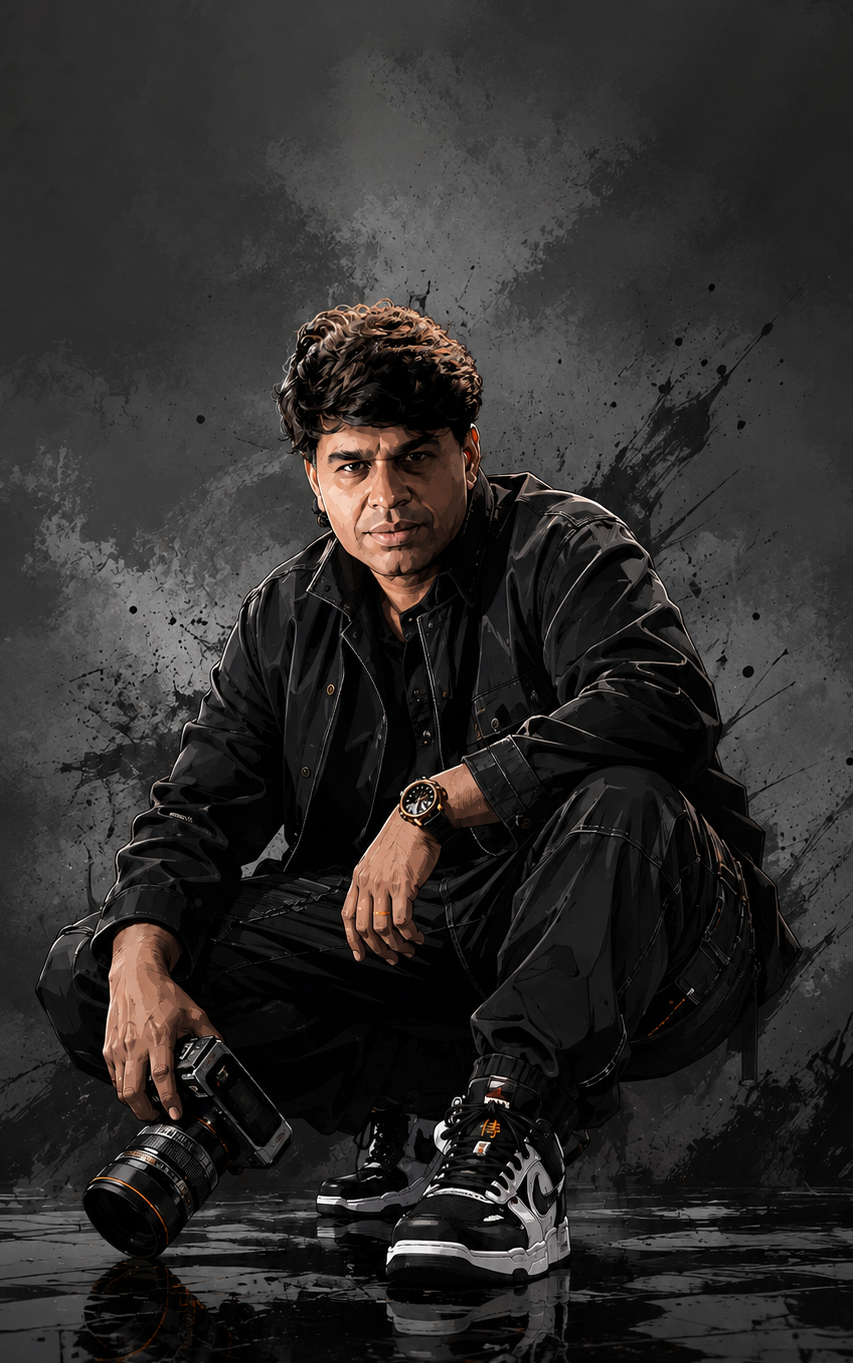
The above-posted photograph, Courtasy Google.
for more information and to explore our latest projects. Please visit our website at www.prasenjeetgautam.com
Originally published on Prasenjeet Gautam Photography
Happy Photography Life