Mar 26, 2026
Interesting Content is Everywhere! Photography

Interesting Content is Everywhere — You Just Need to See It
One of the most common concerns I hear from my students and blog readers is this:
“It’s very difficult to find interesting subjects to shoot.”
Many believe that to create powerful images, they must travel to famous destinations—national parks, bird sanctuaries, or historical monuments. While these places are undoubtedly rich in visual opportunities, the reality is different.
Travelling frequently to such locations is expensive, time-consuming, and not always practical.
So does that mean great photography is limited to those who can afford it?
Absolutely not.
The Real Problem Isn’t Location — It’s Vision
If you are struggling to find interesting content, the issue is not the lack of subjects.
The issue is that your photography eye is not trained yet.
A trained photographer doesn’t search for locations.
They discover stories in ordinary places.
Where Can You Find Interesting Content? Everywhere.
Start observing your surroundings more closely. You’ll be surprised how much content is hiding in plain sight:
- Streets and local markets
- Nearby monuments and tourist spots
- Amusement parks and malls
- Your daily jogging park
- Wedding halls and social gatherings
- Gyms, open parks, and community spaces
- Even your own neighborhood
These locations may look “ordinary” at first glance, but with the right perspective, they can become visually powerful.
Train Your Photography Eye — Practical Tips
1. Visit the Same Location Multiple Times
A location is never the same twice.
- Morning light vs evening light
- Summer vs winter mood
- Sunny vs cloudy weather
Each variation changes the entire story of the frame.
2. Experiment with Lenses
Your lens choice defines your perspective.
- Use a zoom lens to isolate distant subjects
- Use a prime lens to create depth and emotion
The same subject can look completely different with different lenses.
3. Focus on Easily Available Subjects
You don’t need exotic wildlife.
Start with what is already around you:
- Butterflies
- Dogs and cats
- Sparrows and pigeons
These everyday subjects can teach you timing, patience, and framing.
4. Practice Portraits with People Around You
You don’t need professional models.
- Shoot your friends at monuments
- Look for expressive faces in your circle
- Capture natural emotions instead of forced poses
A photogenic face is not about beauty—it’s about expression and character.
5. Capture Real Life — Raw and Honest
Look for stories in people:
- An old man or woman with wrinkles
- A worker focused on their task
- A candid moment in a market
These are frames filled with emotion and depth.
6. Shoot Vehicles Creatively (With Responsibility)
Cars and bikes can be great subjects.
- Always take permission
- Avoid capturing or sharing number plates (or remove them in post)
This keeps your work professional and hassle-free.
7. Change Your Angle, Not Your Location
Most photographers stand and shoot.
Instead:
- Go low
- Shoot from height
- Try reflections
- Use foreground elements
A simple angle shift can turn an ordinary scene into a strong composition.
8. Observe Light, Not Just Subjects
Light is the real subject of photography.
- Harsh light creates drama
- Soft light creates mood
- Shadows create mystery
Train your eye to see light first, subject second.
9. Slow Down and Spend Time
Don’t rush.
Stay in one place and observe:
- How people move
- How light changes
- How moments unfold
Great photographs often come to those who wait.
10. Shoot in Volume — Build Your Visual Library
There is no shortcut here.
Once you have captured 10,000+ photographs, something changes:
- Your eye becomes sharper
- Your decisions become faster
- Your compositions become instinctive
At that stage, you won’t search for interesting content…
Interesting content will start following you.
The Real Shift: From Searching to Seeing
Beginner photographers keep asking:
“Where should I go to find good content?”
Experienced photographers ask:
“What can I create from what I see right now?”
That shift changes everything.
Conclusion — Train Your Eye, Not Your Travel Budget
You don’t need expensive trips to become a great photographer.
You need:
- Observation
- Practice
- Patience
- Consistency
Once your photographic eye is trained, even the simplest place can become extraordinary. And when that happens…
You will realize that interesting content was never missing. You just needed to learn how to see it.
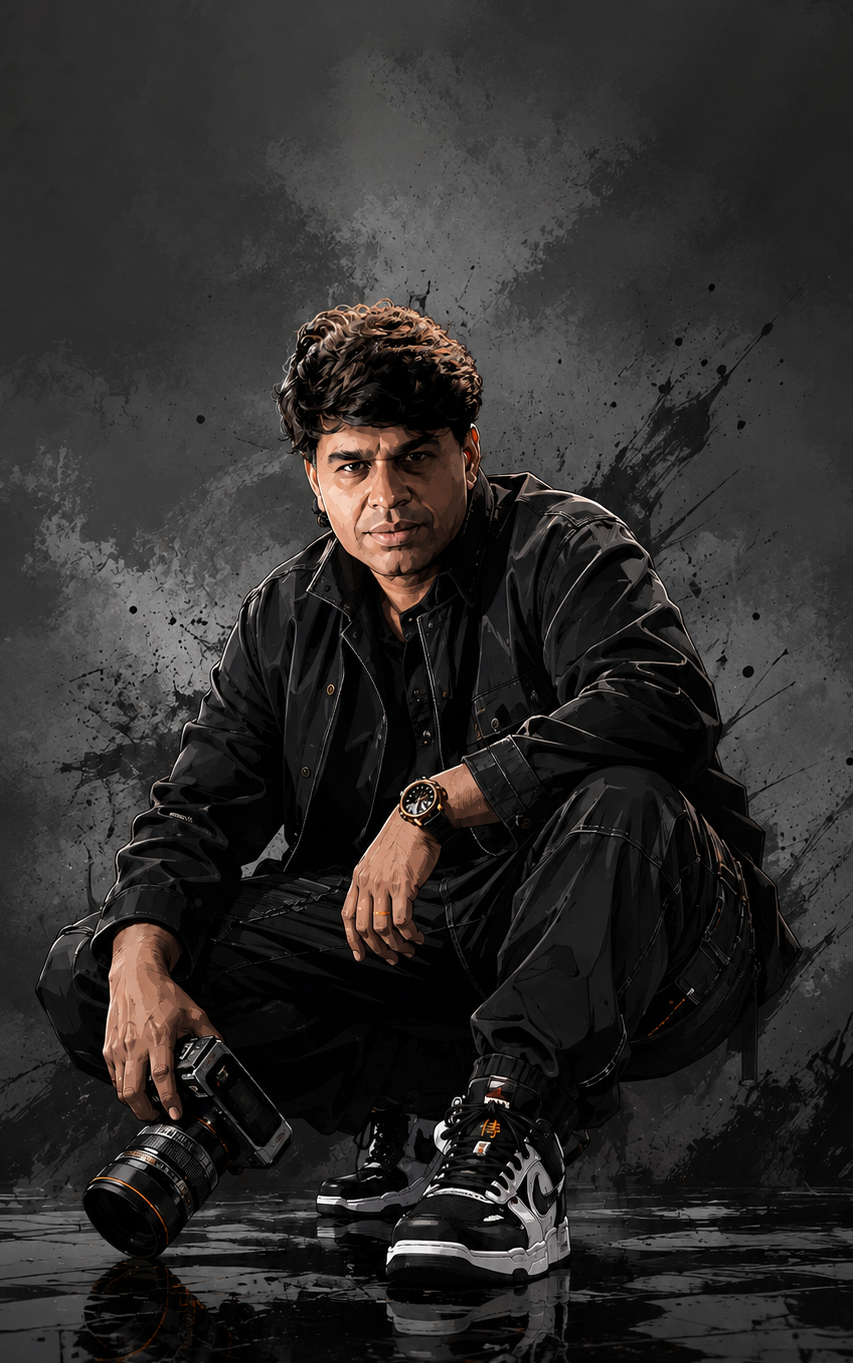
The above-posted photograph was captured by Prasenjeet Gautam. Location - Over the bridge for more information and to explore our latest projects. Please visit our website at www.prasenjeetgautam.com
Originally published on Prasenjeet Gautam Photography
Happy Photography Life