Jan 23, 2026
The Correct Valuation of a Photographer

Valuing a photographer correctly is one of the biggest and most confusing challenges in this profession. It takes years of dedication, learning, failures, patience, and consistency to reach a stage where your passion finally receives the valuation it truly deserves.
Almost every photographer—especially in the early years—faces the same haunting question:
“How much should I ask the client?”
This confusion is not a weakness; it is part of the journey. But staying stuck in this confusion for too long can quietly damage your confidence, your growth, and your financial stability.
The Market Reality Photographers Face
In most cases, clients offer a minimum budget—often without any logical base. These offers usually ignore:
- the photographer’s experience
- years of skill-building
- creative vision and passion
- professional equipment
- pre-production effort
- post-production work
- and the final value delivered to the brand
Unfortunately, there is a market trend where one fixed price range is assumed to be valid for everyone— experienced, inexperienced, professionals, beginners—without understanding that photography is not a commodity.
Almost every beginner photographer passes through this zone, and sometimes it is unavoidable at the start. But the danger lies in staying there too long.
How to Set Your Value as a Photographer
1. Believe in Your Skills
Your pricing should come from self-belief, not market pressure. If you don’t respect your own skills, no client will.
You decide your value—not the client, not the market, not competitors.
2. Analyze Your Own Work Honestly
Regularly review your photographs. Compare your work with the kind of clients you want, not with low-budget local competition.
Growth begins when your standards rise.
3. Work for Better Clients, Not More Clients
Always aim for quality clients, not quantity. Share your portfolio professionally across your website and serious platforms.
The internet remembers quality.
4. Be Professional, Humble, and Straightforward
Being professional doesn’t mean being rigid. It means being clear, honest, and respectful about your terms and expectations.
Straightforward communication saves time for both sides.
5. Understand the Project Before Quoting
Never share pricing blindly.
Always:
- read the project brief carefully
- understand the scope
- analyze deliverables
- assess timelines and locations
Pricing without clarity is gambling.
6. Never Share a Quote Just for the Sake of Sharing
Many clients say:
“We are collecting quotations from 4–5 photographers. Whoever quotes the lowest will get the project.”
In such cases, you are not being evaluated for your work—you are being compared as a number.
This leads to:
- endless waiting
- follow-ups
- silence
- frustration
Many clients even forget the shoot entirely.
Your time is valuable. Protect it.
7. Always Confirm Shoot Date & Location First
If a client cannot confirm:
- shoot date
- shoot location
then do not share a quotation.
Instead, clearly communicate:
“I’ll be happy to share the quotation once the shoot details are confirmed.”
This saves your time and leaves a strong professional impression.
8. Never Share Your Photography Kit Details
Your equipment is your weapon, not a negotiation tool.
Avoid listing camera bodies, lenses, or gear unless absolutely necessary. Some clients judge photographers based on tools rather than vision.
A professional response is:
“The equipment is finalized after fully understanding the project requirements.”
9. Avoid Last-Minute Shoots Without Preparation
If a client asks you to shoot today or tomorrow, be cautious.
Without:
- proper recce
- planning
- understanding the environment
quality will suffer.
Great photographs are not accidents—they are prepared outcomes.
10. Take Time Before Saying Yes
Understand the project deeply. Evaluate the client’s seriousness.
Ask yourself:
- Does the client genuinely want you?
- Or are they only searching for the cheapest option?
Patience protects your long-term career.
Build Goodwill Through Transparency
A strong goodwill is built when clients already know how you work before contacting you.
Share relevant information on your website:
- how you shoot
- your process
- terms & conditions
- payment structure
- post-production workflow
This prepares the client mentally and positions you as a professional—not just a photographer.
Conclusion: Respect Your Pricing
Do not rush to grab every project.
Understand the client’s intent:
- Are they excited to work with you?
- Or are they simply searching for the lowest price?
There will always be local photographers ready to shoot anytime at extremely low pricing. Do not compare yourself with them.
They may click the shutter. You capture only when you are convinced of the vision and results.
Respect your pricing. You may lose a few projects today—but the right projects will find you tomorrow.
Those projects will not only pay better, they will bring recognition, stability, and the career you truly dream of.
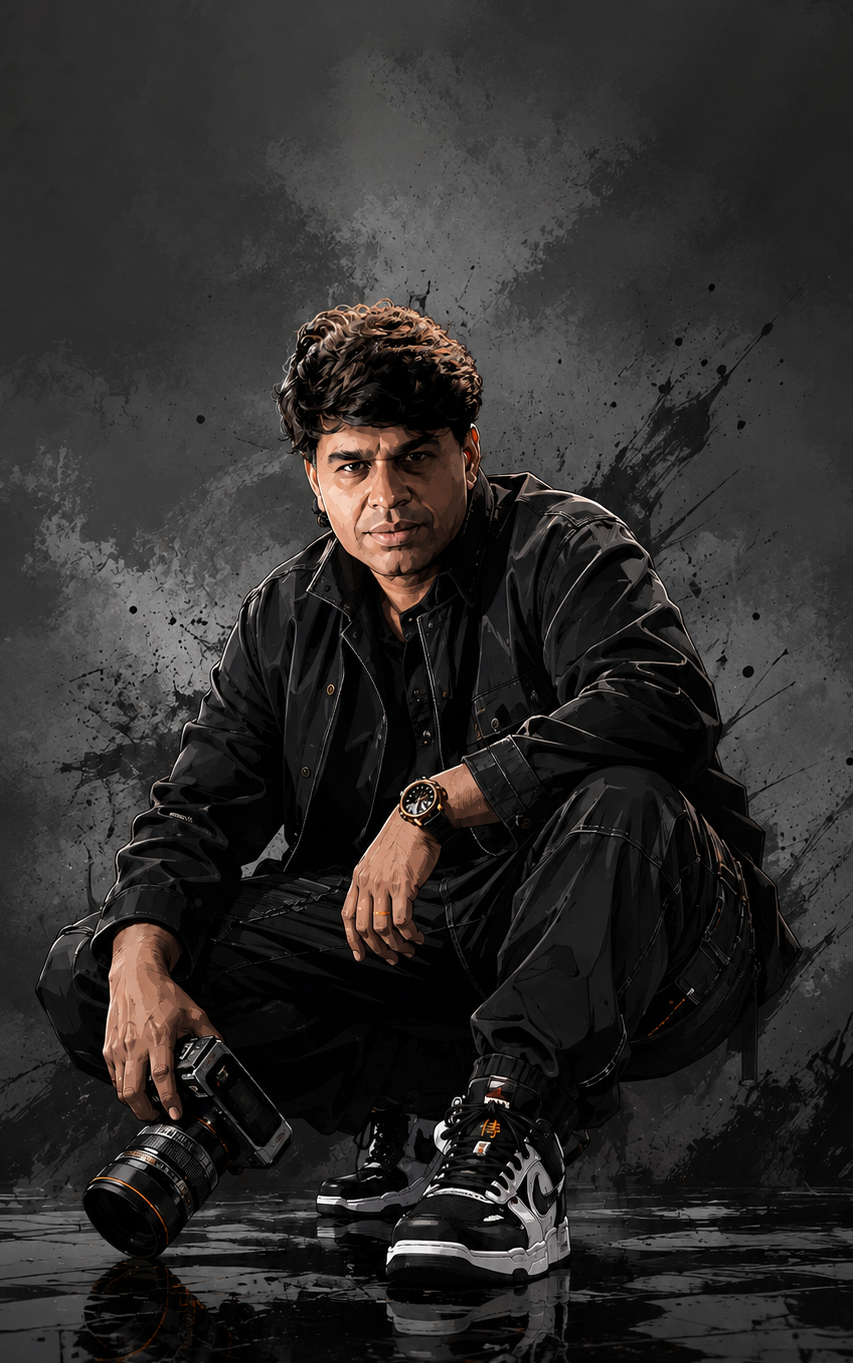
The above-posted photograph, courtesy of Google. For more information and to explore our latest projects
Please visit our website at www.prasenjeetgautam.com
Originally published on Prasenjeet Gautam Photography
Happy Photography Life